My path
About
I came to language neuroscience through language education (school teacher), then learned to connect my questions about language with evidence from behavior, brain networks, and computational representations.
From teaching to research
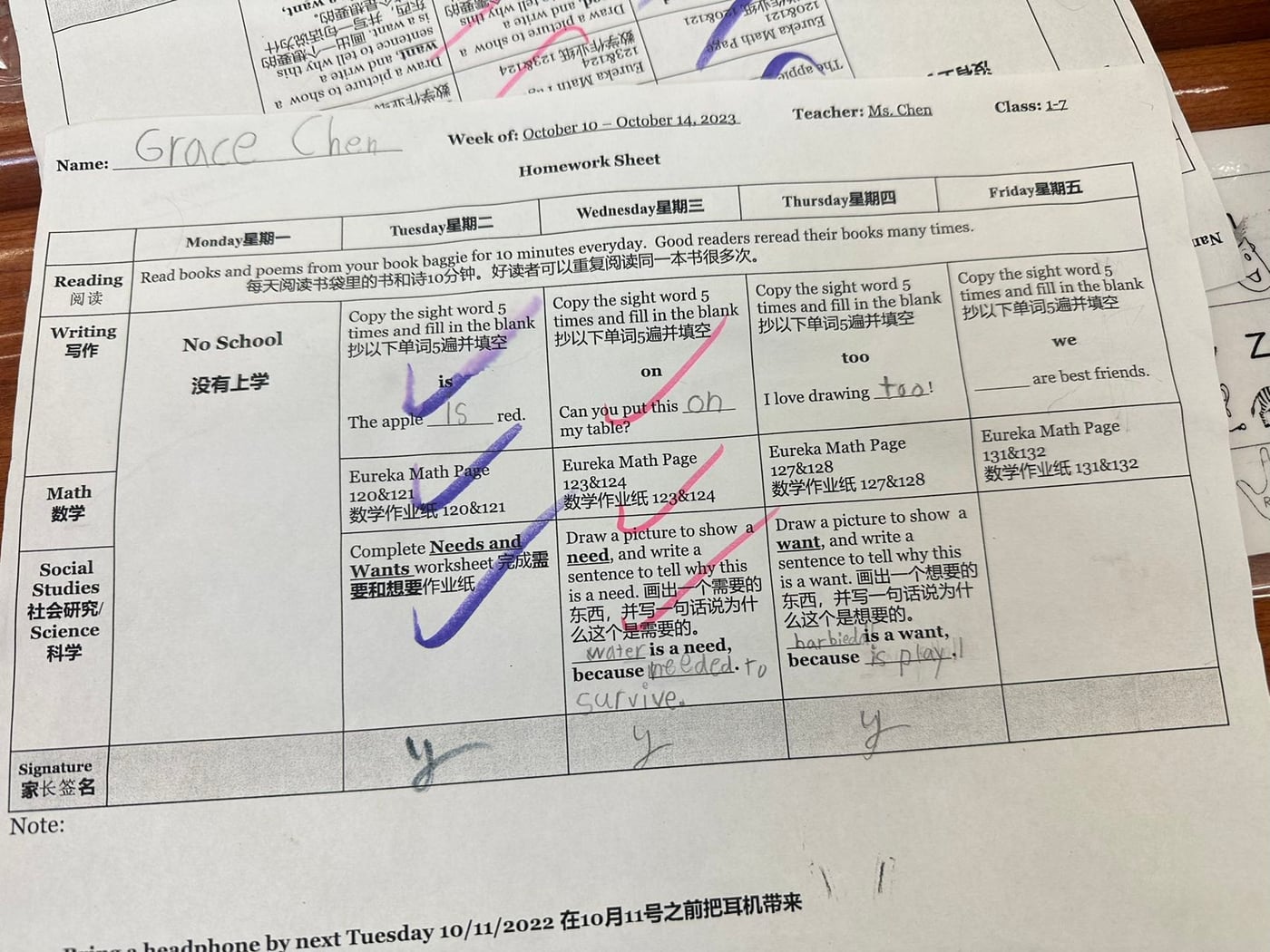
My undergraduate training was in language education, and my experience as a teacher was where my scientific questions about language first took shape. Working with students made language feel both practical and deeply mysterious: something people learn, adapt, and use with remarkable flexibility and creativity. It also continues to shape how I think about individual differences and the relationship between research and learning.
I pursued an M.S. in Neuroscience and Education at Teachers College, Columbia University, where studying how the nervous system implements sensation and action led me to ask how language interfaces with other systems.
During my master’s program, I learned to turn intuitions about language into questions that could be tested through experiments and data analysis. Developing data-collection skills also helped me understand how methodological choices shape the questions we can answer, and the conclusions we can draw.
Work philosophy
I bring together skills in experimental design, behavioral and neuroimaging data collection, and computational analysis to study language as a dynamic biological system. I aim to keep each methodological choice connected to the research question. Across projects, I value well-designed pipelines, clear documentation, and consistent record-keeping during a project. I also understand that it is not always easy to envision the best workflow in the beginning, and evolving is part of the process. I also see thoughtful communication as part of doing good science: sharing progress and uncertainty, asking questions early, and making methods and results understandable to collaborators with clear language.